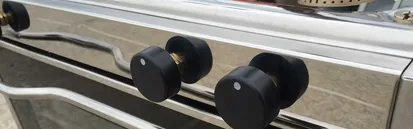
Techimpex stove overhaul workflow from a charter fleet
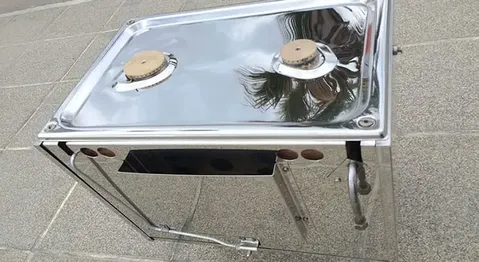
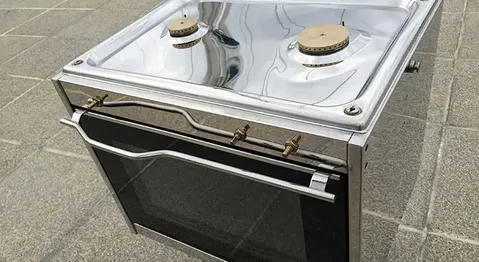
Classic Techimpex two-burner yacht stoves are still common on sailboats, especially on charter boats where a durable gimballed cooker remains the practical standard. That makes a proper overhaul procedure useful well beyond the original publication date. This guide comes from ABA VELA fleet maintenance, where these stoves see heavy seasonal use and the same corrosion points return year after year.
Before servicing, confirm gas safety, parts compatibility, and whether any replacement or fabrication choice is appropriate for your exact stove model. If you are not qualified to work on LPG systems, leave the gas side of the job to a competent marine technician.
Updated: 12.04.2026.
Evergreen note: This guide remains relevant for classic Techimpex two-burner yacht stoves commonly found on charter sailboats, but always verify current part compatibility and gas-safety requirements before servicing.
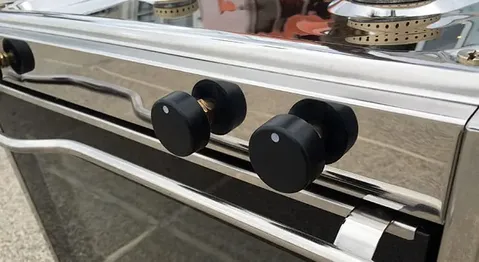
When the stove needs a full overhaul
A quick wipe-down is enough after normal cooking, but after a charter season there are always areas that remain greasy, damp, and difficult to access. Once residue gets into panel joints, burner supports, and the space around the gas pipes, proper sanitation and corrosion control both require a full strip-down rather than cosmetic cleaning.
The overhaul moment usually comes when you see recurring grease buildup, rust around the lower structure, stiffness around doors or hinges, burner alignment problems, or corrosion on fittings that should no longer be trusted without inspection.
Tools, disassembly, and gas-safety precautions
Before touching the stove, shut off the gas supply and disconnect the gas hose with the correct wrench sizes. Lift the oven from its holders only after the retaining spring plates are released. The disassembly itself is straightforward, but it rewards patience: remove the grill, undo the four corner brass screws with a wide flat screwdriver, lift the front edge of the top plate slightly, and slide it back to release the burner-pipe connection from the valves.
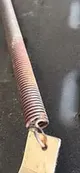
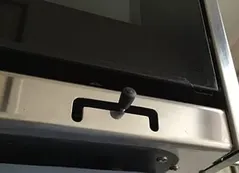
Once the top plate is free, disconnect the relevant fittings, remove the side plates, the back plate, and then the bottom plate. If the doors need a deep clean, separate the handle and safety spring so the glass and lower edge can be serviced properly. Marking parts during disassembly saves time later, especially around burner alignment.
Degreasing, rust removal, and corrosion control
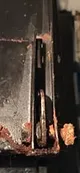
Degreasing is only the first step. Once the unit dries, the real condition becomes visible. Marine stoves live in a hot, wet, salty environment, so corrosion tends to appear on the lower structure, fasteners, burner brackets, and any painted or plated steel parts. On charter boats, that process accelerates because the stove is used hard and cleaned fast rather than delicately.
The correct approach is to remove corrosion properly rather than hide it. If a part is worth keeping, strip it, clean it, and restore it honestly. If a part has reached structural weakness, replace it.
Which parts can be restored and which need replacement
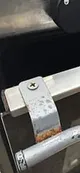
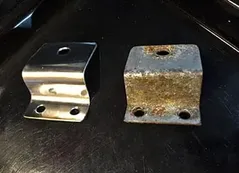
In our fleet work, the best candidates for restoration are brass and aluminum gas parts, because corrosion can often be cleaned and polished off without sacrificing structural integrity. Many steel structure parts are a different story. If a bottom plate, bracket, hinge support, or door fitting is badly corroded, fabricating a stainless replacement is usually more durable than trying to rescue the original.
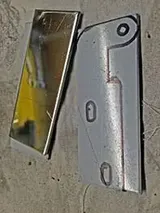
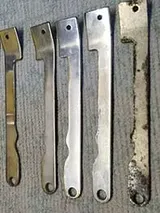
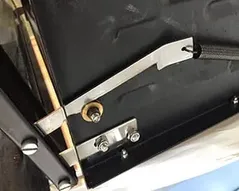
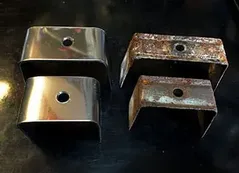
That is exactly what we have done on Techimpex stoves that needed serious recovery: bottom plates, back plates, burner supports, front funnels, handle components, hinges, holders, and similar structural pieces were remade in stainless where that gave a better long-term result than reusing thin, rust-prone originals.
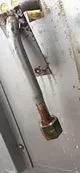
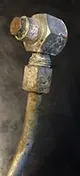
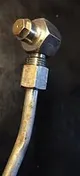
Cleaned gas pipes and valves can often go back into service. Their irregular shapes make a power tool with a suitable metal brush useful, and small orifices should be cleaned carefully with the correct fine tool rather than enlarged by force.
The front panel also takes a lot of abuse during the season. Surface scratches can usually be corrected with a two-stage polishing process: first a more aggressive compound, then a finishing compound to restore gloss.
Burner pipes, heat pipes, and alignment issues
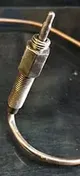
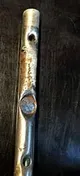
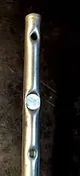
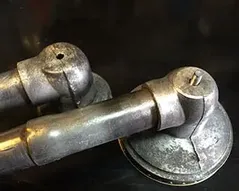
Burner pipes are one of the areas that can slow the whole job down. The brass cap screw often seizes, and the bracket nut can be just as stubborn. Controlled heat helps release these fittings, but if a fastener snaps, the repair becomes a drilling and thread-restoration job rather than a quick clean-up.
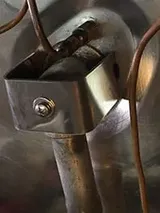
The copper heat pipe and burner-pipe alignment matter during reassembly. If the heat pipe is cracked, replace it. If it is sound, reshape it carefully so the pipe aligns cleanly with the valve terminals. Most poor-running stoves after service are suffering from alignment issues, not from complicated hidden faults.
Reassembly and test procedure
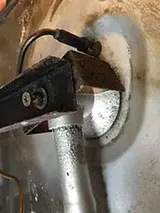
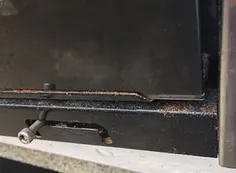
Reassembly starts from the structure: bottom plate, back plate, side plates, and then the restored front panel and top section. If the lower edge of the door needed rust repair, protect that zone properly and refit the glass with materials suitable for the heat and condensation it sees in normal use.
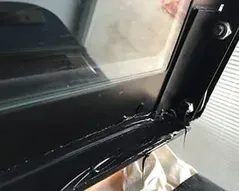
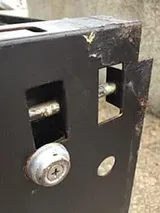
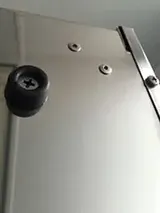
After the burner pipes are fixed to the top plate and aligned with the valves, slide the plate back into position carefully and start the corner brass screws without force. Brass threads are easy to damage, so accuracy matters more than speed. Once the unit is back together, test the gimbal movement, burner alignment, and gas connections before returning it to service.
Common mistakes to avoid
The common failure pattern is predictable: rust left under paint, damaged fasteners forced back into service, seized burner hardware treated roughly, or gas parts reassembled without enough care for alignment and leak testing. A stove can look improved and still be mechanically compromised if the corrosion under the structure has not actually been removed.
What regular care prevents during the season
Crews help most by wiping down the stove after use, not leaving salt and cooking residue to sit for days, and reporting sticky burners, unusual flame behavior, or loose fittings early. That kind of regular care does not replace a full overhaul, but it delays corrosion and keeps the next strip-down smaller, cheaper, and safer.